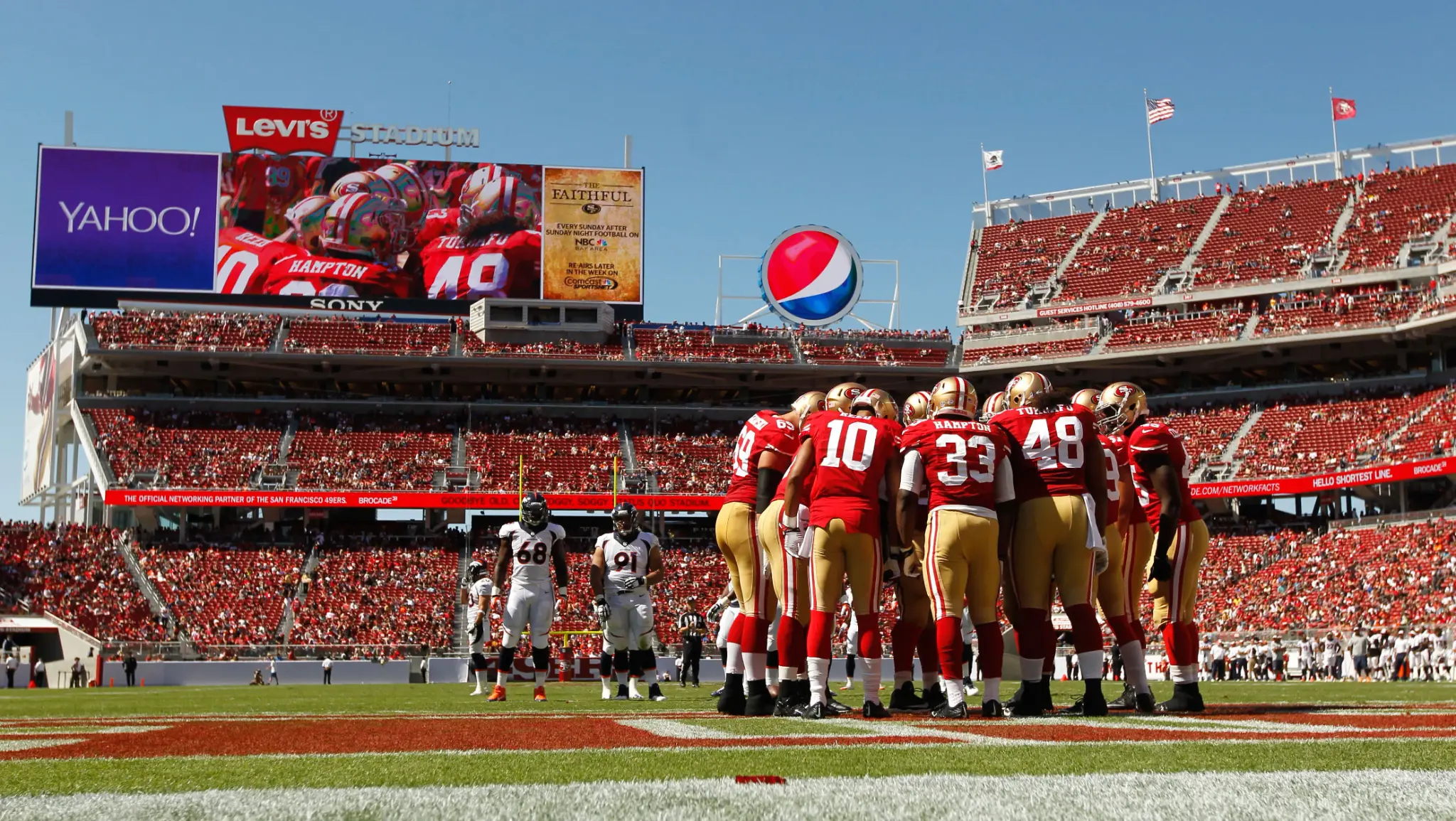
1,000
employees coordinated for every major event
Guest services · Scheduling, communication, and event readiness
Read the story Rated 4.7/5 by Teambridge customers
Live event workforce management
Connect crew readiness, scheduling, call times, communication, actual hours, and payroll across every event in one workforce system.
Organizations running frontline work on Teambridge

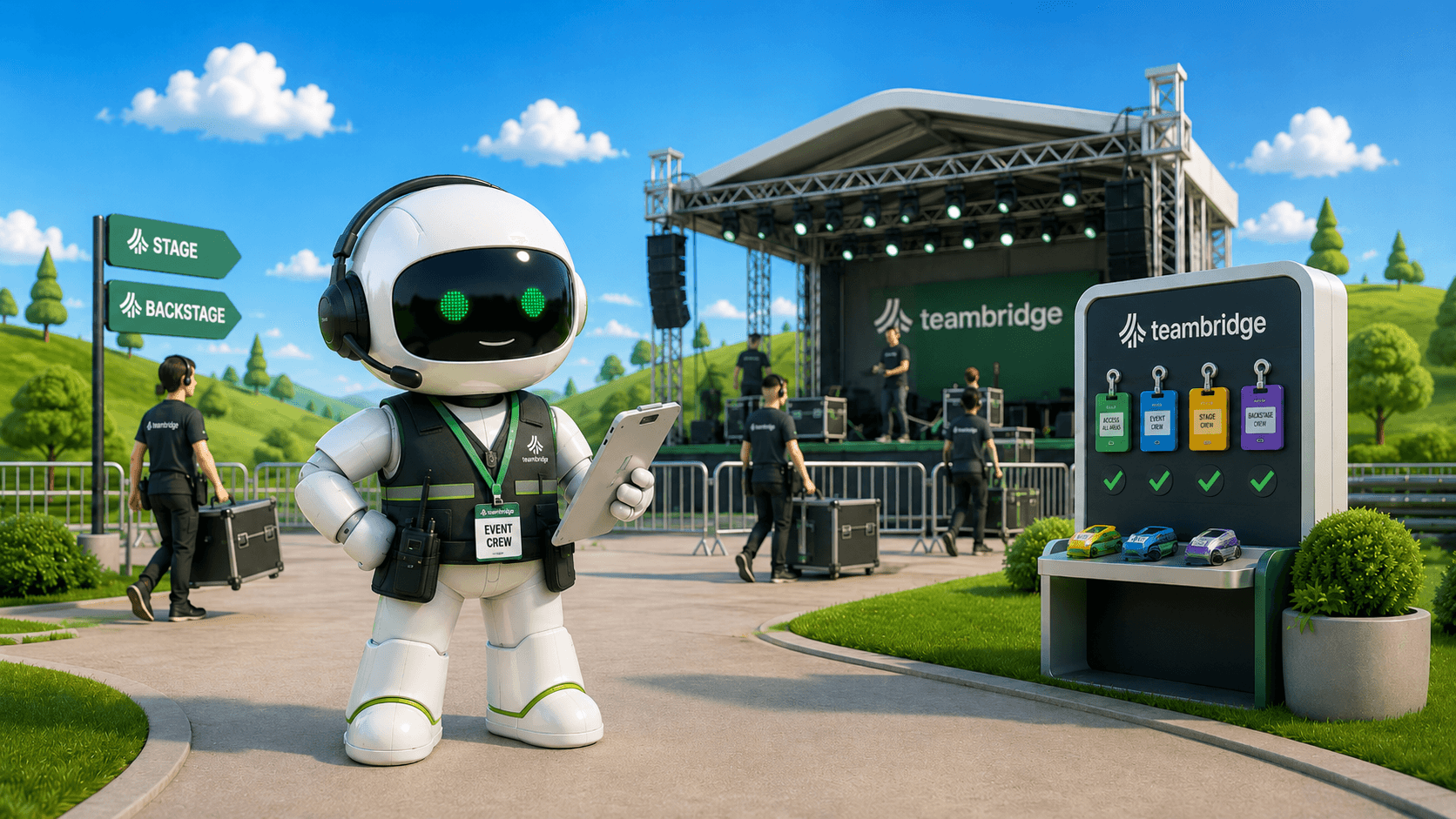
Built for every live event model
Explore how Teambridge connects staffing, readiness, communication, time, and approvals around the operating reality of your venue, event, or service company.

Coordinate game-day and show-day labor across every gate, section, concourse, and department.
Explore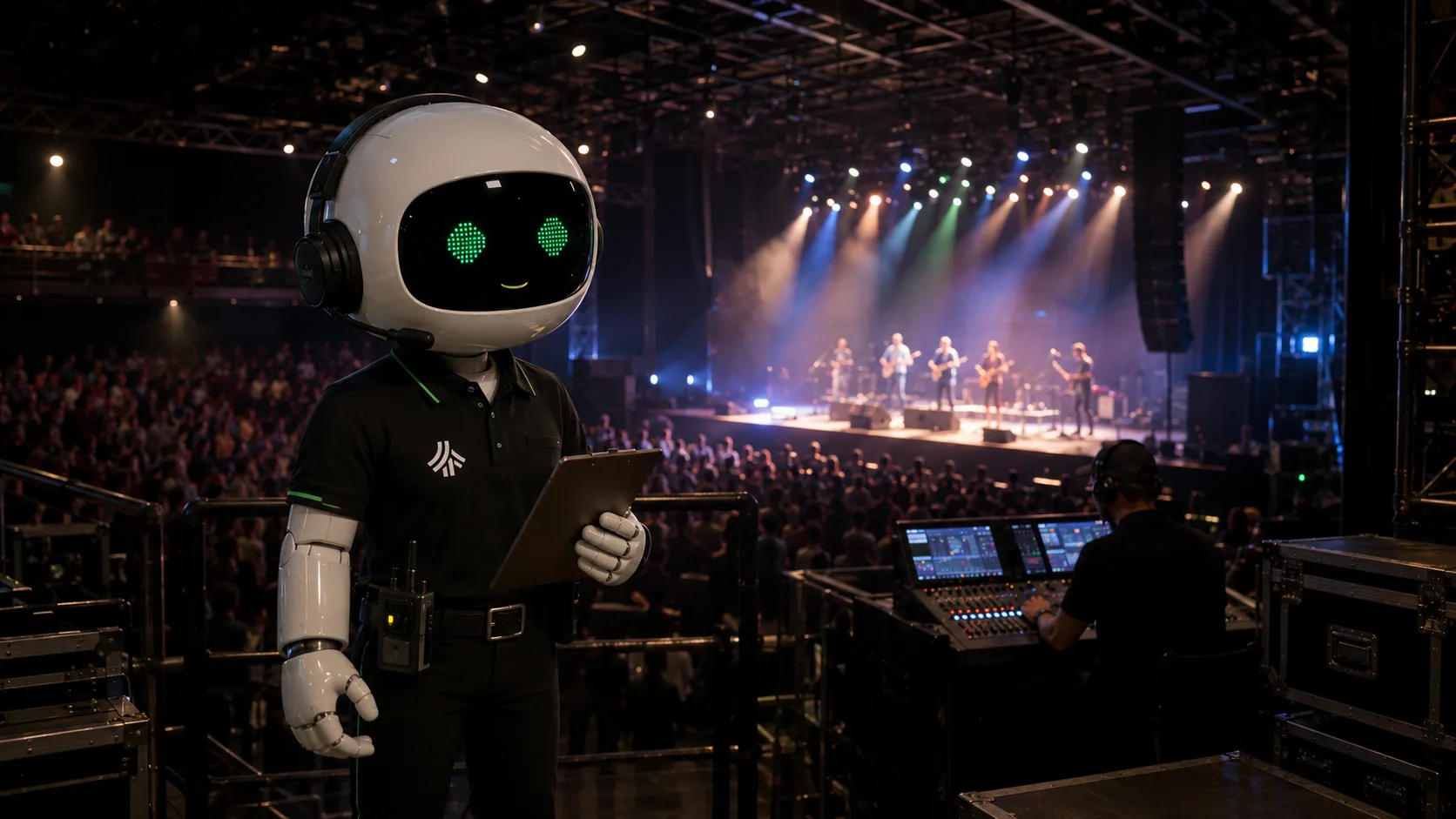
Keep front of house, security, technical teams, and venue operations aligned from load-in to load-out.
Explore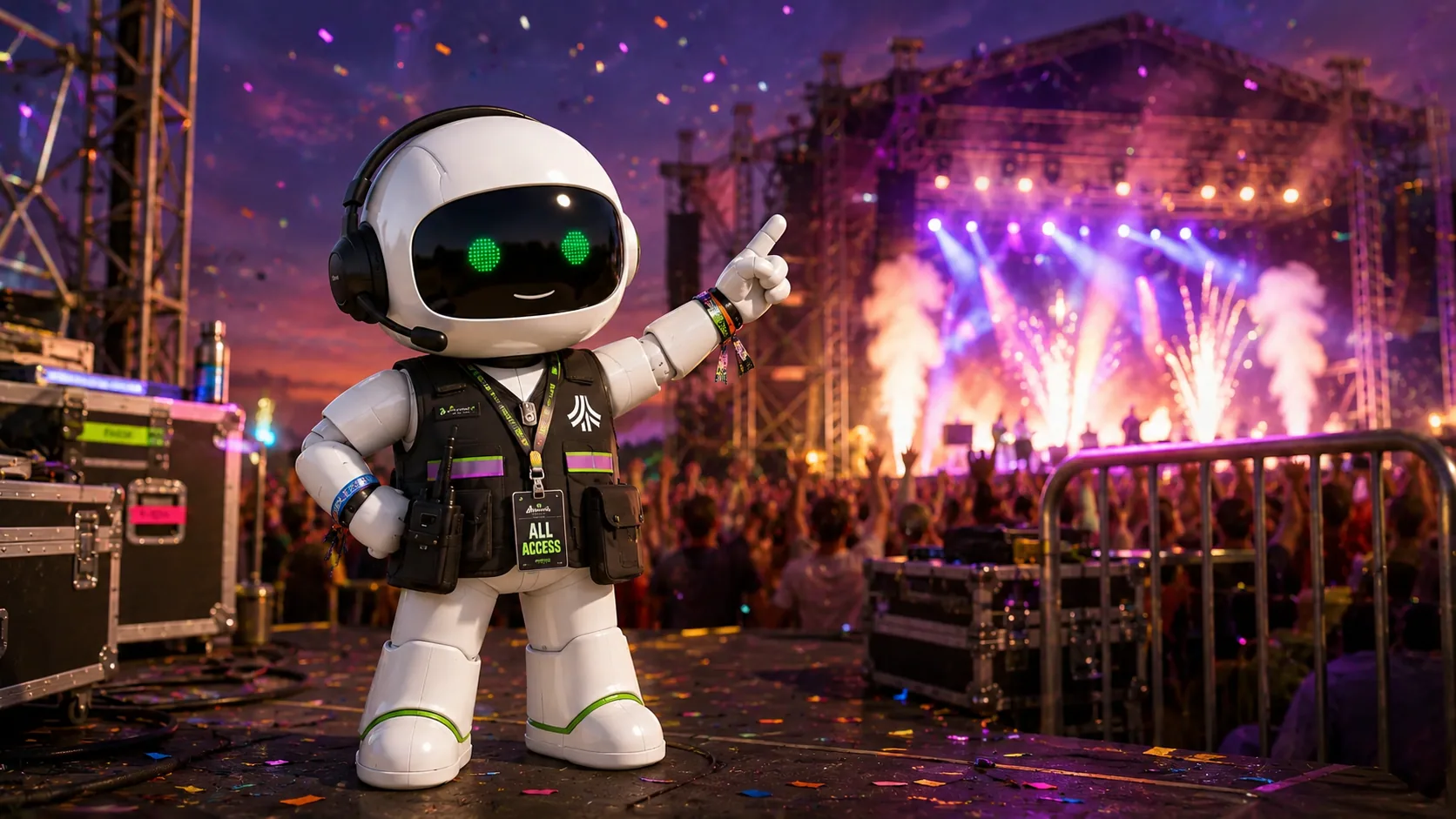
Manage large temporary crews across stages, gates, campgrounds, vendors, and multi-day schedules.
Explore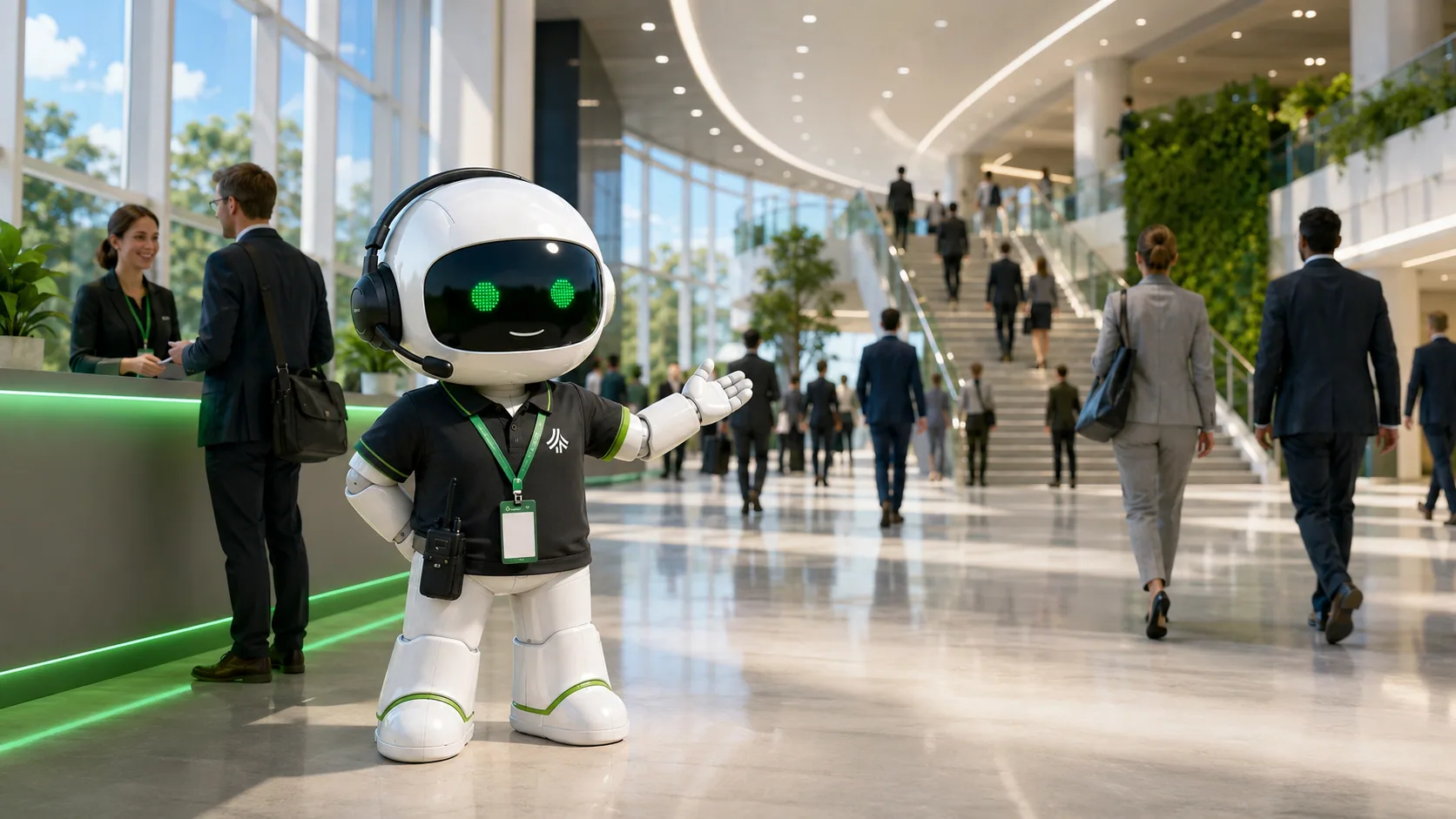
Coordinate overlapping events, rooms, service teams, and building operations from move-in through move-out.
Explore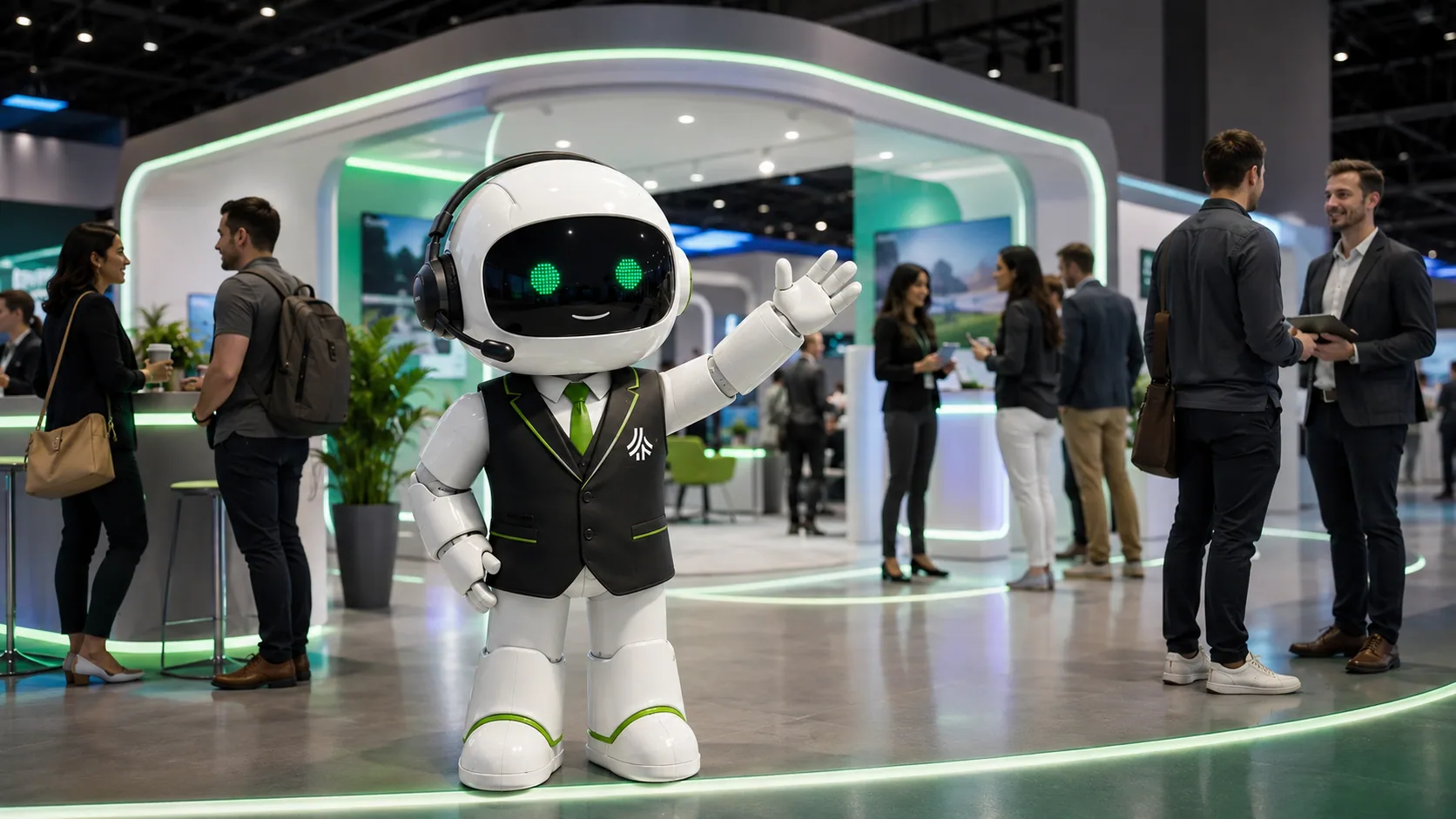
Staff registration, sessions, exhibitor services, show floors, and attendee experiences across complex programs.
Explore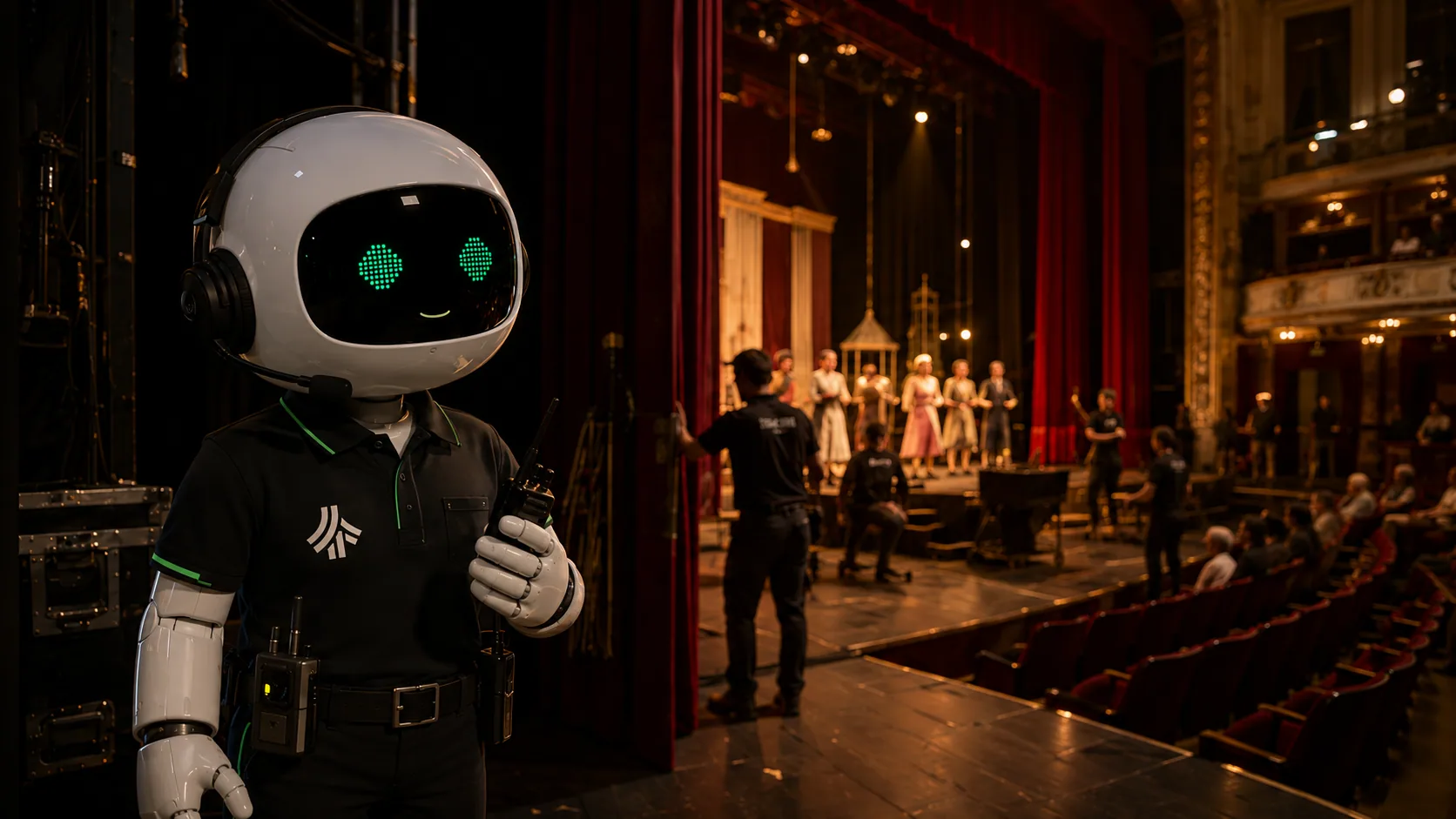
Coordinate front of house, backstage, technical, education, and patron-service teams around every performance.
Explore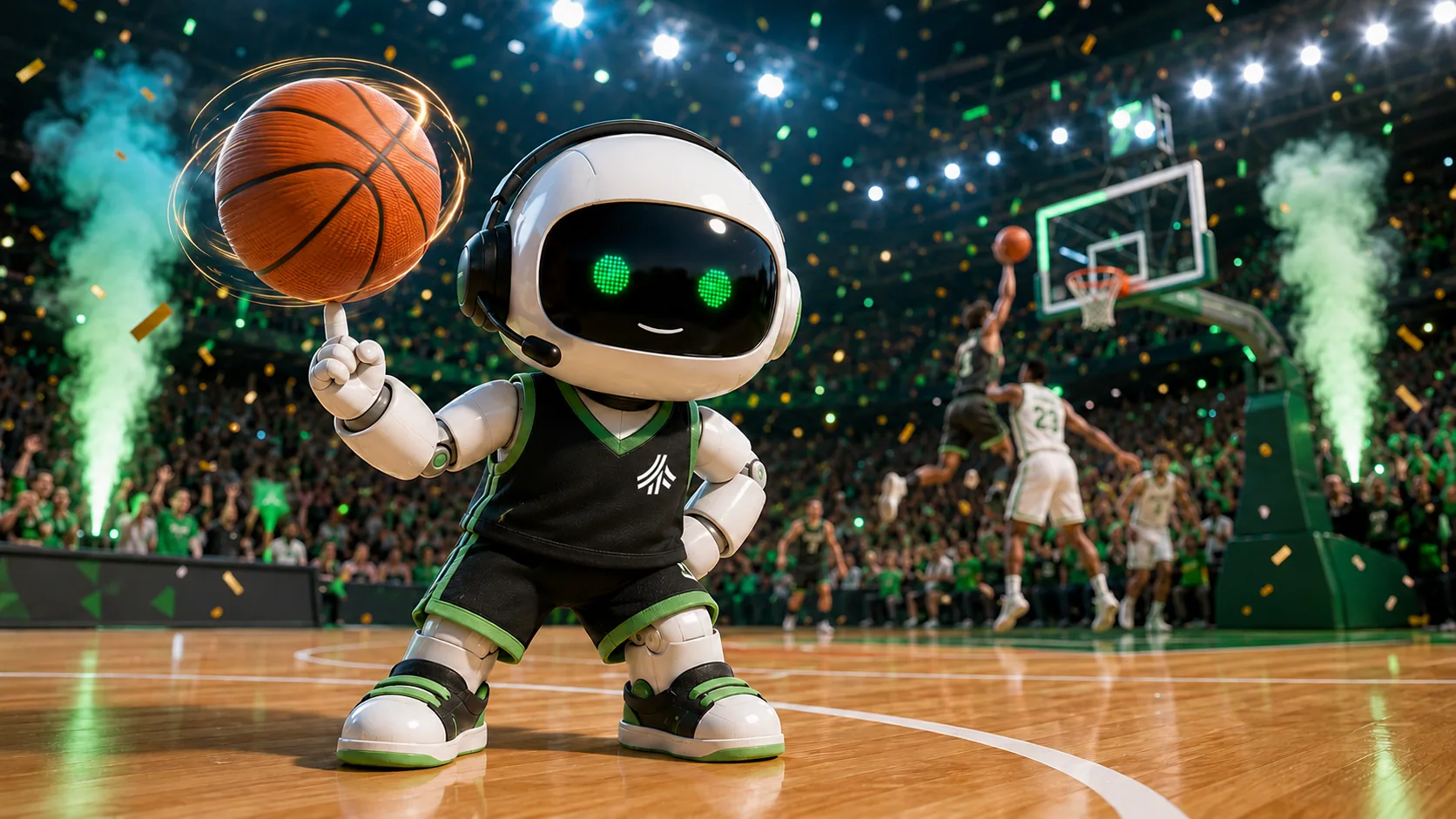
Deploy event staff across games, courses, courts, fields, fan zones, and tournament schedules.
Explore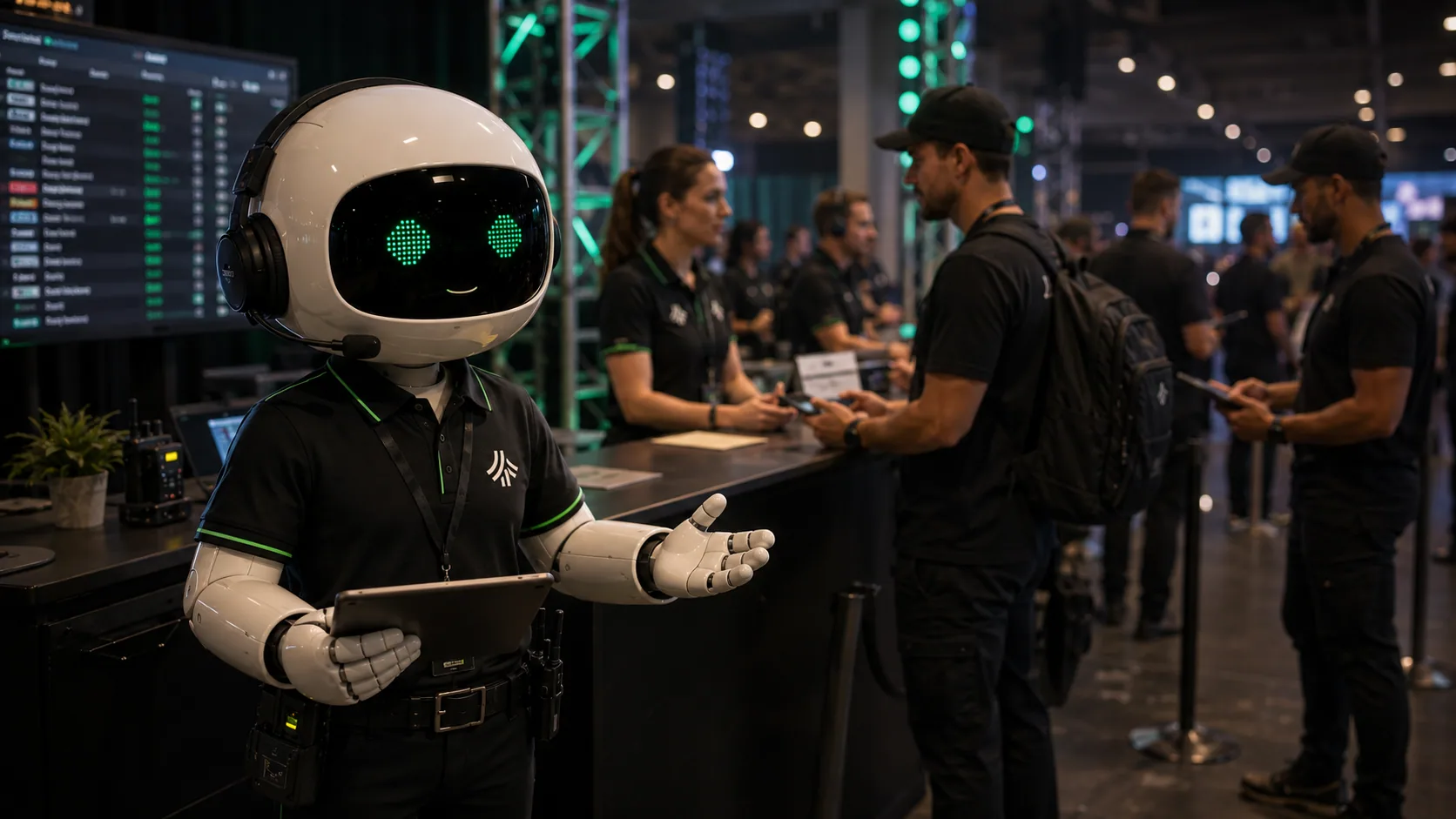
Turn client requests into filled, qualified, confirmed shifts while protecting service and margin.
Explore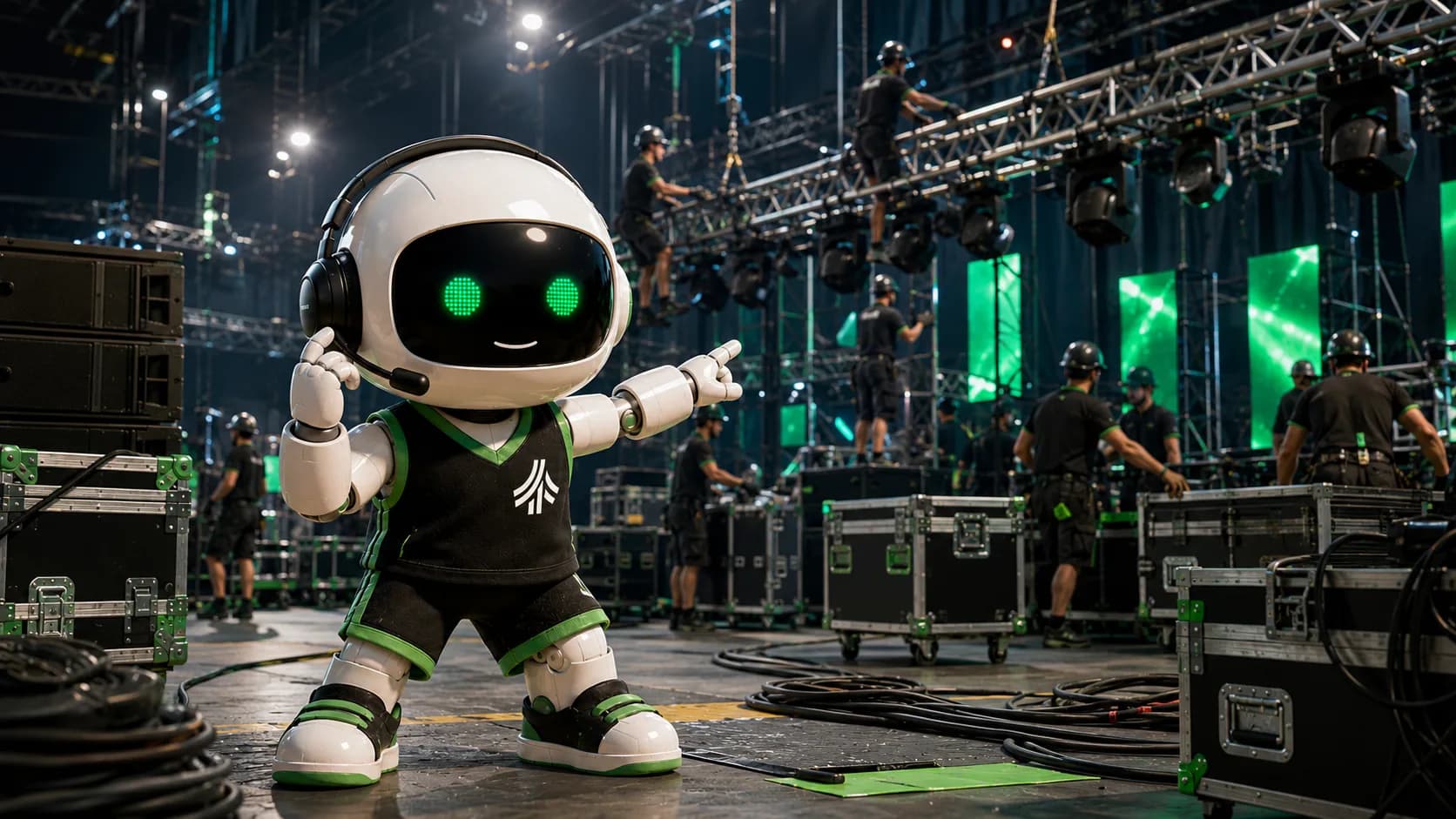
Coordinate technical crews, freelancers, equipment, call sheets, and production phases around every show.
Explore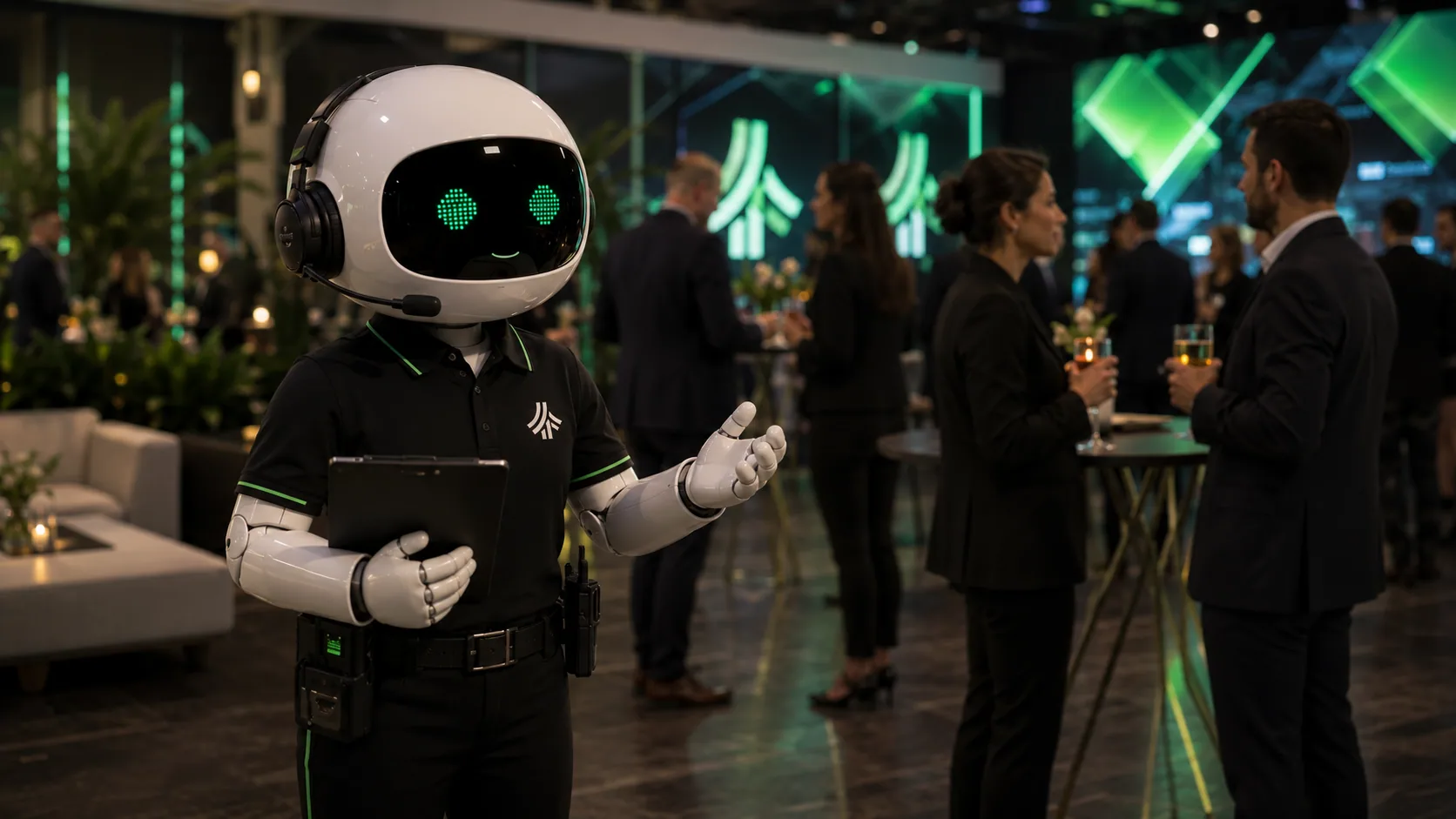
Deliver consistent guest experiences across launches, meetings, activations, and multi-market programs.
ExploreLive event teams in action
See how event and distributed workforce teams improve shift filling, event readiness, and frontline coordination.
1,000
employees coordinated for every major event
Guest services · Scheduling, communication, and event readiness
Read the story

99%
faster shift filling across nationwide events
Event services · High-volume staffing, outreach, and coverage
Read the story
At scale
client-specific staffing workflows configured at record speed
Distributed workforce · Configurable processes for unique client needs
Read the storyThe operating reality
The opportunity is not simply sending more messages. It is removing the gaps between event demand, qualification, confirmation, arrival, actual hours, and payroll.
608.8K
people employed in performing arts, spectator sports, and related industries in May 2026
Live events run on a large, distributed workforce that has to come together on demand.
U.S. Bureau of Labor Statistics110.6K
entertainment-attendant openings projected each year from 2024 to 2034
High workforce movement makes readiness and repeatable onboarding operational necessities.
U.S. Bureau of Labor Statistics30.8K
usher, lobby-attendant, and ticket-taker openings projected annually
Even one event function can require a continuously replenished, event-ready talent pool.
U.S. Bureau of Labor StatisticsMon 9:30am
St. Mary's Care
Tue 2:00pm
Downtown Site
Wed 6:00am
St. Mary's Care
Thu 10:00am
Northside Hub
Fri 2:00pm
Downtown Site
Scheduling
Identity verified
Onboarding · just now
Direct deposit added
Onboarding · just now
Safety training passed
Onboarding · just now
Recruiting and credentialing
Downtown Site
12 members
Scheduling Agent


Voice call
2:34
Worker communication
AI Agents
Time and payroll
Cashed out
$0.00
Instant pay
Total invoiced
$0USD
Total paid
$0USD
Client invoicing
Review and sign
Page 2 of 2
…or impair any subsequent rights.
This Agreement and each party’s obligations are binding on the representatives, assigns, and successors of such party. Each party has signed this Agreement through its authorised representative.
(Signature, on behalf of Disclosing Party)
E-sign
AI Specialist
Scheduling
△ Policy
🔔 Action
Staffing automation
One connected event flow
Role, readiness, venue, zone, call time, communication, actual hours, and approval context move together from planning through payroll.
Forecast
Event plans become role and call-time demand
Qualify
Skills, training, and venue readiness stay visible
Call
The right crew receives the right assignment
Confirm
Replies and open positions update in real time
Clock
Actual hours stay tied to event and role
Pay
Approved work becomes payroll-ready data
AI agents for live events
Give operators agents that handle defined matching, follow-up, and exception work while supervisors remain in control of staffing and safety decisions.
Finds qualified, available workers for open event positions and confirms accepted work back into the staffing plan.
Recover open positions earlier.
From call time to payroll
For covered nonexempt workers, federal recordkeeping rules require accurate daily and weekly hours. Keep the event context and actual work together before approvals and payroll.
U.S. Department of Labor recordkeeping guidanceKeep time attached to venue, event, zone, role, worker, and supervisor.
Record the time people actually work—not only the scheduled call.
Surface missing punches, long shifts, and approval gaps before payroll.
Event readiness is operating data
OSHA emphasizes communication and coordination when host employers, contractors, and staffing partners share a worksite. Put requirements and worksite information where operators and workers can act on them.
OSHA communication and coordination guidanceKeep training, access, attire, and qualification requirements visible before assignment.
Attach credentials, entrances, zones, and check-in instructions to the work.
Target operational changes to the people and positions affected.
Make host, contractor, and staffing responsibilities easier to coordinate.
An event workforce system
Start with the workflow creating the most event-day risk, connect the information around it, and expand without rebuilding the operation every time.
See Teambridge on your eventsEvery event, role, position, call time, owner, and open requirement is visible.
Replies, confirmations, callouts, and changes update the same operating view.
Late arrivals, open roles, and missing readiness steps reach the right operator.
Role, venue, access, time, and approval rules shape defined actions.
Start with your operation
Follow an event role from crew readiness to a call time change and approved worked hours.
Request an industry demoDiscuss one real process, the controls behind it, and the setup you would need.
Product expertise for Live Events
Explore the records, rules, worker actions, manager decisions, and system boundaries that make Teambridge useful for live events teams.
Connect event calendars, attendance, call times, and event day changes to role, event access, training, availability, and venue requirements so venue and event operations managers can publish work, recover coverage, and keep every change on one live schedule.
Built for Live EventsGive each person one clear path through forms, documents, role, event access, training, availability, and venue requirements, review, and the first event shift while venue and event operations managers focus on what still blocks readiness.
Built for Live EventsTarget event staff, ushers, security teams, and guest services using venue, event, gate, zone, and role, deliver the message through configured channels, keep replies visible, and focus follow up on the people who still need attention.
Built for Live EventsConnect mobile clock actions to the event shift, venue, event, gate, zone, and role, location context, required evidence, and manager review before approved hours move downstream.
Built for Live EventsGive event staff, ushers, security teams, and guest services one branded mobile place for schedules, open work, onboarding, time, documents, messages, and the actions tied to each event shift.
Built for Live EventsKeep approved hours connected to venue, event, gate, zone, and role, client rates, billing periods, adjustments, and the review state finance needs before export.
Built for Live EventsUse triggers, conditions, actions, approvals, and AI agents to handle defined live event follow up while venue and event operations managers keep control of consequential decisions.
Built for Live EventsConnected ecosystem
Keep the event, ticketing, payroll, venue, and workforce systems your team already trusts. Teambridge connects the event plan to crew readiness, live communication, approved time, and downstream payroll.
Event and venue systems
Event, venue, zone, role, and call-time records
Payroll and accounting
Approved time, rates, earnings, and event-cost exports
Access and compliance
Credentials, training, documents, and crew eligibility
Integration availability depends on your systems and implementation scope.

ATS and CRM
Payroll

CRM

Screening

HRIS and ERP
Accounting
Implementation
Define what stays, what connects, and what changes before rollout begins. Your team gets a phased event workforce plan instead of a blind system replacement.

Identify the workflow creating the most delay, the systems involved, the owners, and the metric that should move across your event operation.
Build the workspace, venue rules, permissions, crew experience, and system handoffs around how your events run.
Start with one venue, event series, or crew workflow, validate it live, train the people involved, and expand with evidence.
Before kickoff, we define: the first workflow, required data, system owners, rollout group, and the business result used to measure success.
Plan your rolloutQuestions from live event teams
Yes. Workspaces, roles, access, worker records, schedules, communications, and approvals can be configured for different event operating models.
A live event workforce, managed live
See how Teambridge can connect readiness, scheduling, communication, time, approvals, and payroll around your live operation.
A tailored walkthrough for your live event team.